
Electric Car Components: Most Important Parts of an EV
Posted on September 3, 2025
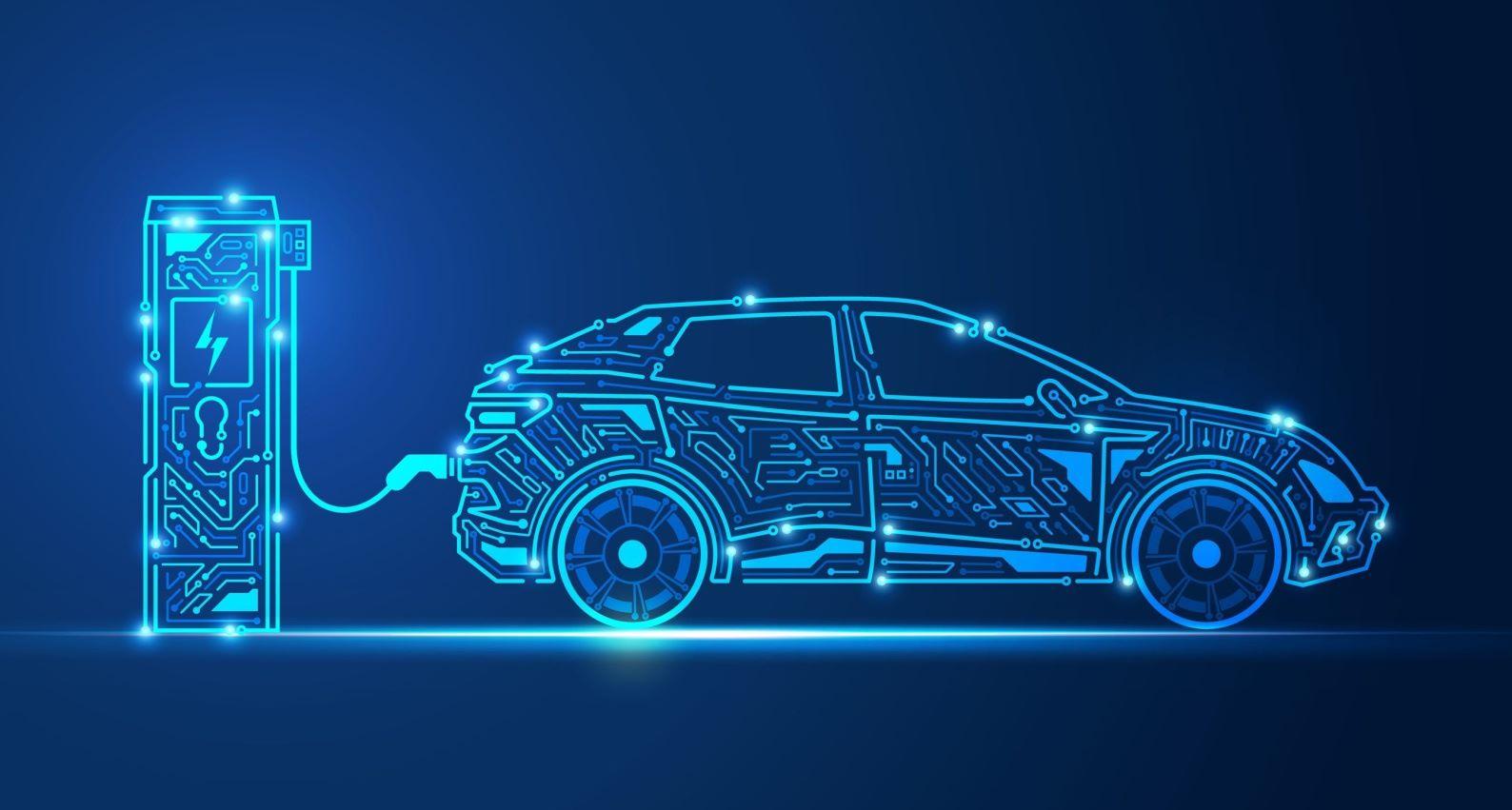
Electric vehicles are becoming more common in Canada as the country shifts toward greener transportation. The government aims for 100% of new light-duty vehicles to be zero-emission by 2035, with targets of 20% by 2026 and 60% by 2030.
As more drivers make the switch to cleaner transportation, understanding the most important electric car components is key to knowing how these vehicles perform and why they’re a smart investment.
From the battery pack and electric motor to the power electronics and regenerative braking system, each part plays a crucial role in how an Electric Vehicle (EV) runs.
In this blog, we’ll break down the essential parts of an EV and explain how they work together to give you a cleaner, quieter, and smarter ride.
What Is an Electric Vehicle?
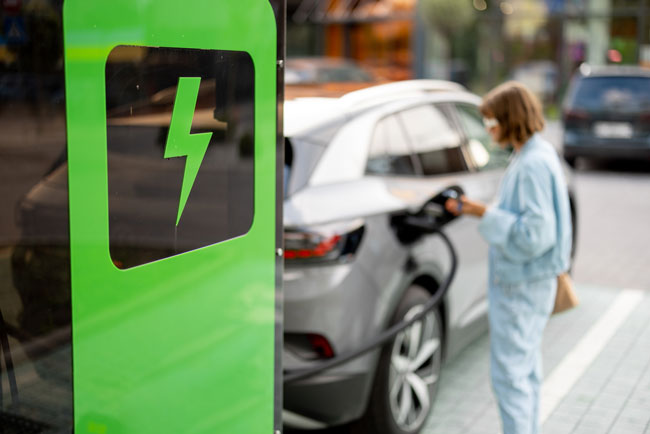
An electric vehicle (EV) is a cleaner and more sustainable alternative to traditional gas-powered cars. Instead of relying on a combustion engine, EVs are powered by electricity stored in a battery pack.
The main electric car components include the electric motor, battery pack, and power electronics, all working together to move the vehicle smoothly and efficiently.
The motor uses energy from the battery to power the wheels, while the junction box helps control how electricity flows between them. EVs also feature regenerative braking, which captures energy when you slow down or brake and stores it back in the battery.
This helps extend the driving range and reduces wear on the brakes. By understanding these key parts, you can better see why EVs are both practical and eco-friendly for today’s drivers.
Why Understanding EV Components Matters?
Each electric car component has a role in making sure the vehicle runs smoothly, from the motor that powers the wheels to the electronics that manage energy flow. When you understand how these systems work, it’s easier to see why EVs are so reliable and cost-effective over time.
EV components are also shaping the future of mobility. Features like regenerative braking and advanced battery technology don’t just improve efficiency; they set the stage for cleaner, smarter transportation.
By learning about EV parts, you’ll have a better sense of what makes them different from traditional cars and why they’re becoming such an important part of the shift toward sustainable driving.
Working Principle of Electric Vehicles
The way an electric vehicle works can be broken down into a few key steps:
1. Energy Storage: The battery pack stores electrical energy, usually in lithium-ion batteries.
2. Charging: EVs are plugged into a charging station. The onboard charger converts AC power from the grid into DC power to recharge the battery.
3. Power Delivery: A power electronics controller manages energy flow from the battery to the motor, adjusting speed and torque based on the driver’s input.
4. Motor Operation: The electric motor converts electrical energy into mechanical energy to drive the wheels.
5. Regenerative Braking: During braking, the motor works as a generator, sending energy back to the battery for improved efficiency.
6. Driving: Pressing the accelerator delivers power for acceleration and cruising, while releasing it or braking slows the vehicle down with the help of regenerative braking.
These steps make EVs efficient, smooth to drive, and environmentally friendly.
Types of Electric Vehicles
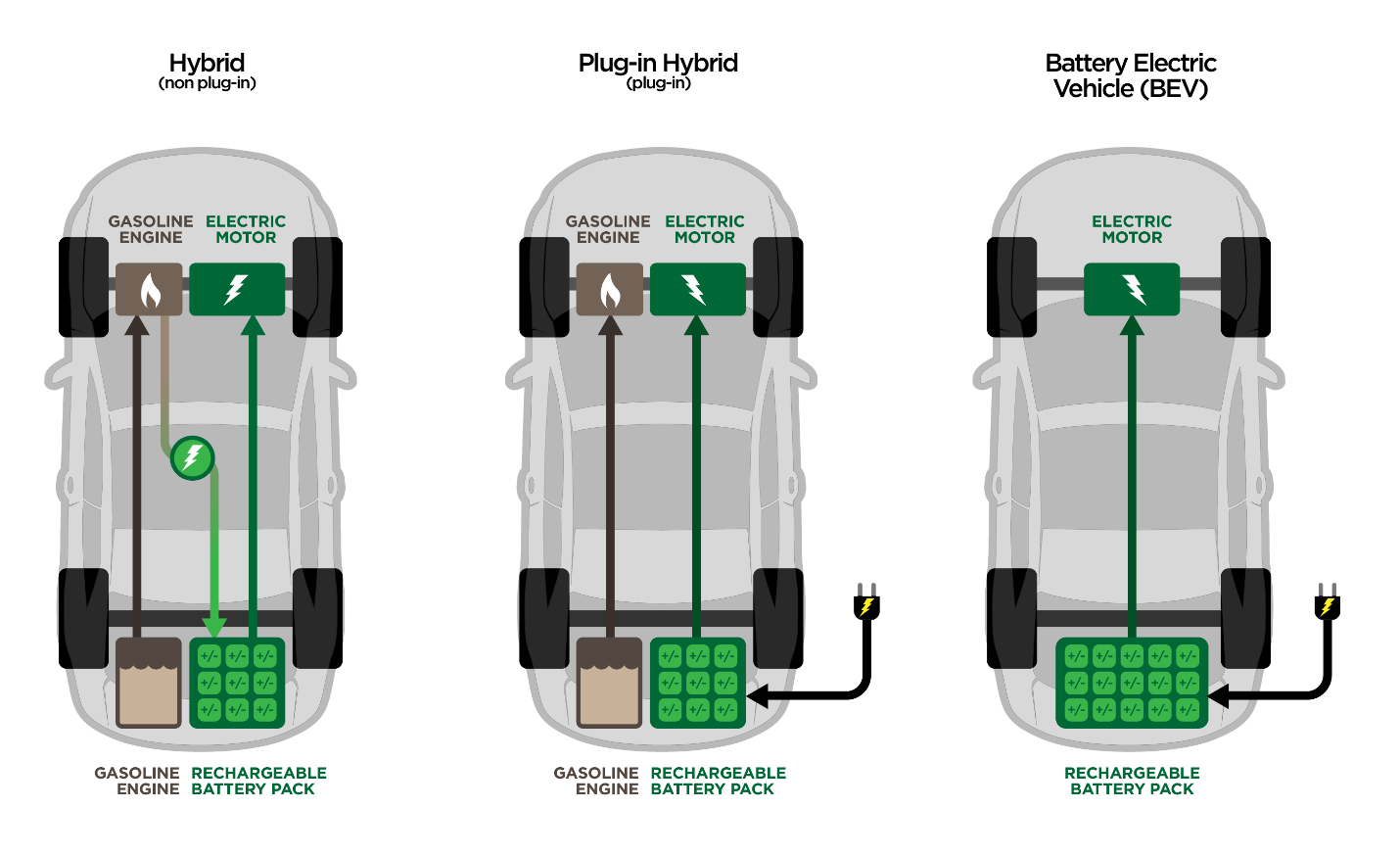
Electric vehicles come in a few main types, each with its own way of using electricity and fuel:
1. Battery Electric Vehicles (BEVs)
Fully electric vehicles are powered only by a battery. They run solely on electricity stored in the battery and need to be plugged in to recharge. There’s no gasoline engine involved.
2. Plug-in Hybrid Electric Vehicles (PHEVs)
These vehicles combine a battery-powered electric motor with a gasoline engine. They can run on electricity for short trips and switch to gasoline for longer drives. PHEVs can be plugged in to recharge their batteries.
3. Hybrid Electric Vehicles (HEVs)
HEVs also combine an electric motor with a gasoline engine, but their batteries are charged through regenerative braking and the engine itself, not by plugging in. They automatically switch between electric and gasoline power for better fuel efficiency.
Understanding these types can help you choose the EV that fits your driving needs and lifestyle.
Key Electric Vehicle Components
Electric vehicles rely on several essential components that work together to provide smooth, efficient, and eco-friendly driving. Understanding these electric car parts helps you see how EVs operate and why each one is important.
Below are the key car electrical components that make an EV function properly:
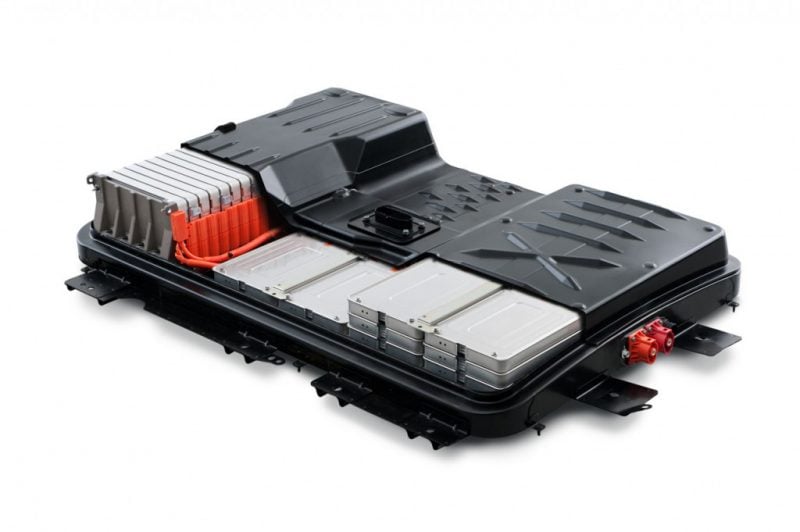
1. Battery Pack: The EV’s Main Power Source
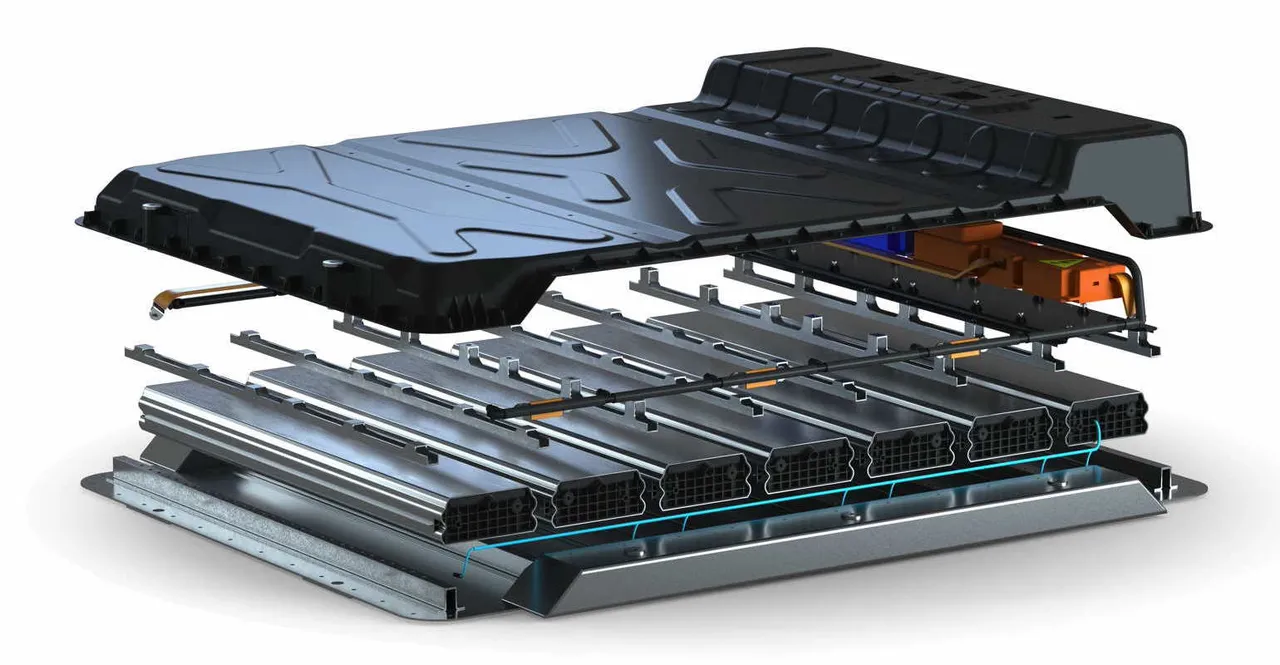
The battery pack stores electrical energy to power the vehicle. Most EVs use lithium-ion cells, which provide high energy density and long life. It is the heart of the electric drive system.
2. Electric Motor: Converting Energy to Motion

The electric motor takes energy from the battery and converts it into mechanical energy, turning the wheels and propelling the vehicle forward. Some motors also assist in regenerative braking.
3. Power Electronics Controller: Managing Energy Flow
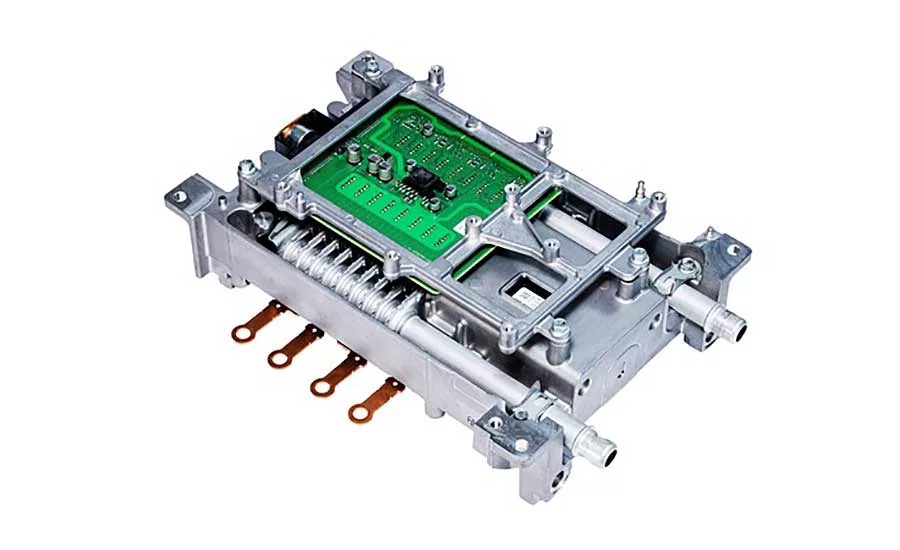
This unit controls the flow of electricity from the battery to the motor. It regulates speed, torque, and overall motor performance based on driver input, ensuring smooth acceleration and energy efficiency.
4. Charging Port: Connecting to the Grid
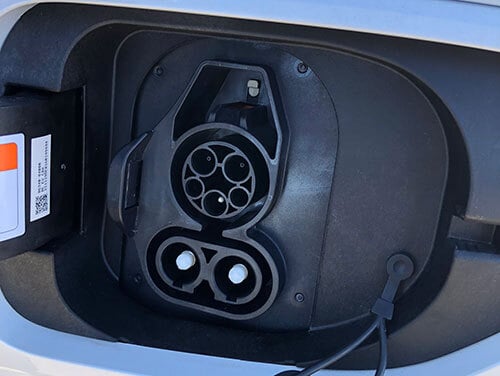
The charging port allows the EV to connect to external power sources, such as home chargers or public stations. It enables the battery pack to recharge safely and efficiently.
5. Thermal System: Temperature Control for Performance
EV components like the battery, motor, and electronics need proper temperature regulation. The thermal system cools or heats components as needed to maintain performance and longevity.
6. Transmission: Delivering Power to the Wheels
Unlike conventional vehicles, EVs often use a simpler electric transmission to transfer the motor’s mechanical power directly to the wheels, providing smooth and responsive driving.
7. DC-DC Converter: Power for Low-Voltage Systems
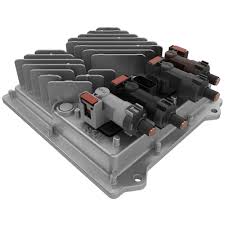
This device converts high-voltage power from the main battery to lower voltages required for vehicle accessories and to recharge the auxiliary battery.
8. Onboard Charger: Regulating Charging Current
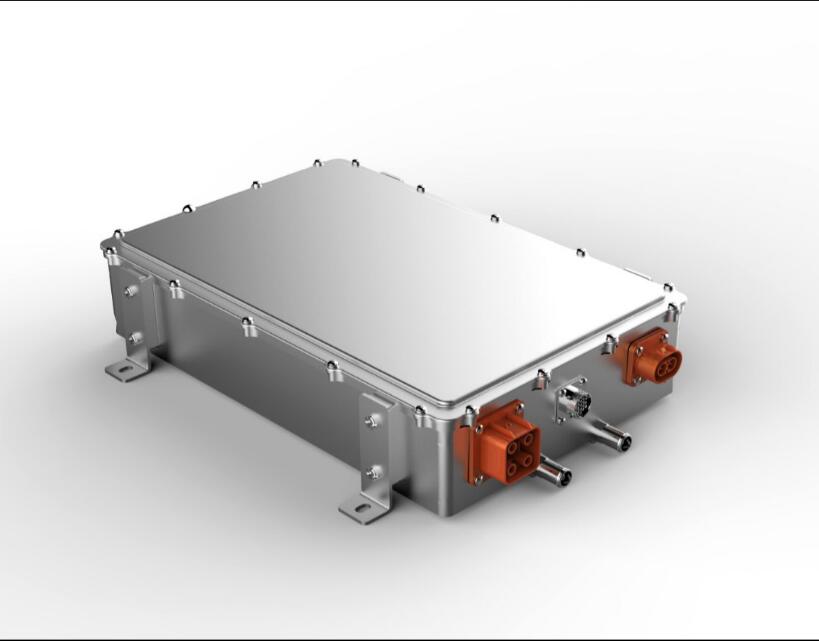
The onboard charger converts incoming AC power from a charging station into DC power for the battery pack. It also monitors voltage, current, temperature, and state of charge during charging.
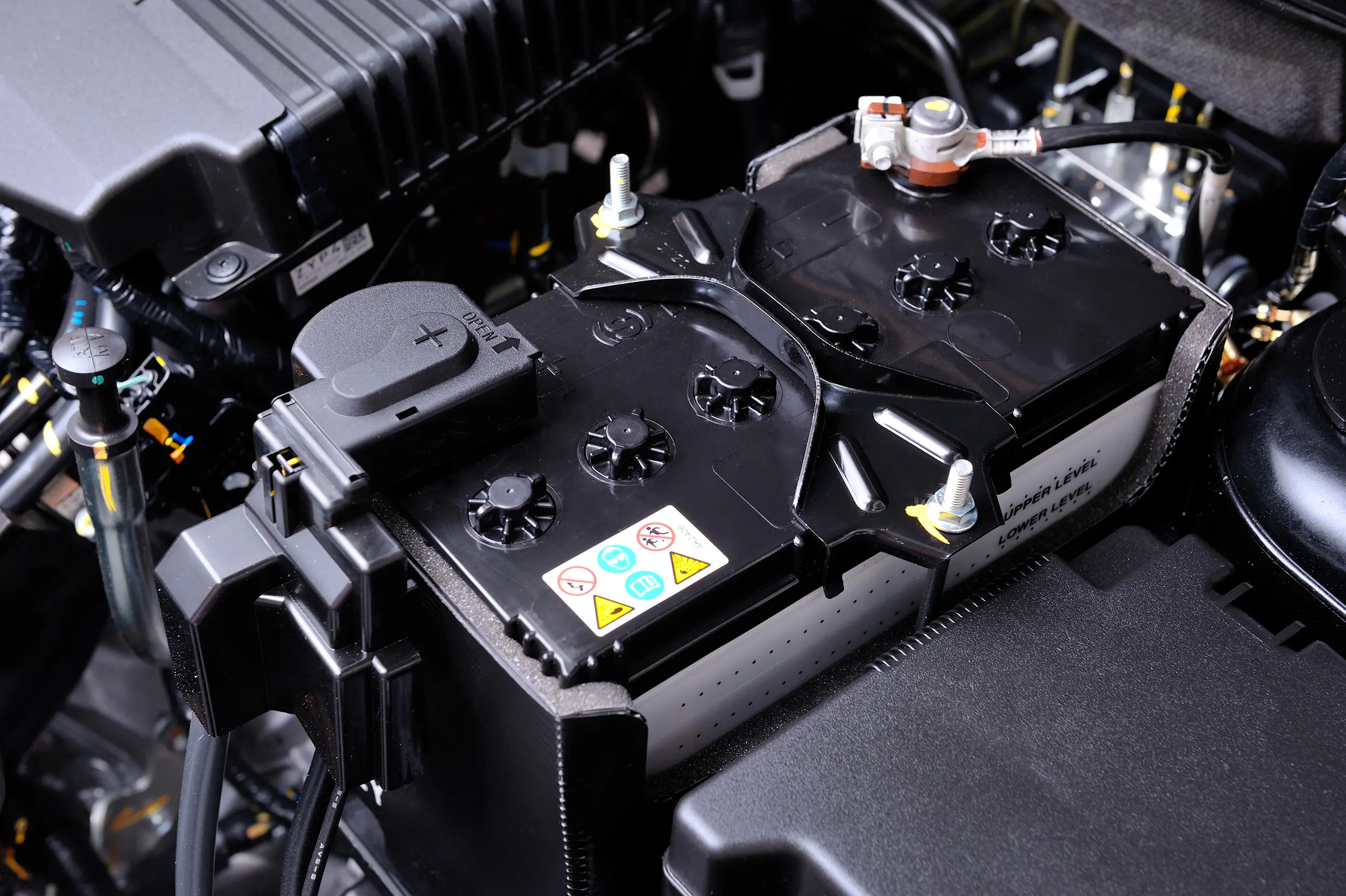
9. Auxiliary Battery: Supporting Vehicle Electronics
A smaller battery, the auxiliary battery powers vehicle electronics such as lights, infotainment systems, and other accessories, ensuring these systems work independently from the main battery pack.
Drive Smarter: Learn About Your Car’s Electrical System Components
Understanding the key electric car components helps you appreciate how EVs work and why they’re such a smart choice for modern driving. At CarHub Caledon Chrysler, our support doesn’t stop once you drive off the lot, we make it easy to explore, buy, and maintain your electric vehicle.
From routine maintenance to expert repairs, our team ensures your electric vehicle stays in top condition. Visit us for all your EV service needs and drive with confidence!