
Software Defined Vehicles (SDV): What You Need to Know in 2025
Posted on September 6, 2025

The automotive world is rapidly shifting, and Software Defined Vehicles (SDVs) are leading the charge. In Canada, the SDV market is set to skyrocket from USD 18.2 billion in 2025 to an impressive USD 69.5 billion by 2031, growing at a staggering 24.9% CAGR.
This surge is fueled by growing investments in connected car technologies, rising consumer demand for seamless digital experiences, and the move toward centralized computing in vehicles.
For drivers and tech enthusiasts alike, SDVs promise a new era where software drives innovation more than hardware ever could. In this blog, we break down what you need to know about SDVs in 2025—and why they’re the future of driving.
What is a Software Defined Vehicle?
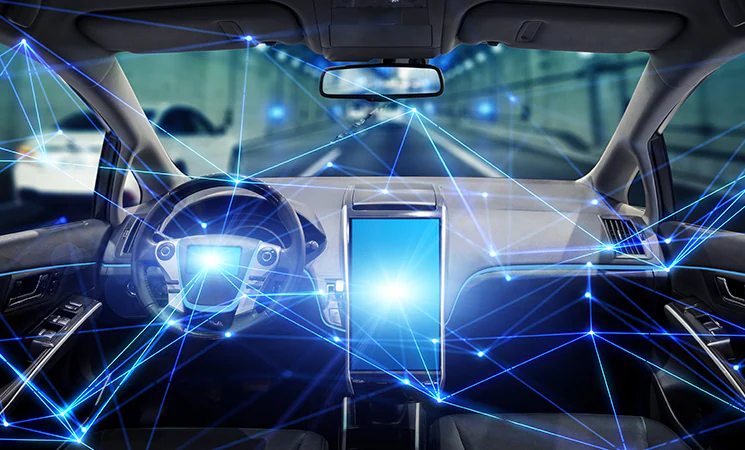
A Software Defined Vehicle (SDV) is a car that relies on software to control its operations, add new features, and improve functionality, often more than traditional hardware.
Instead of depending mainly on mechanical systems, SDVs use software to make vehicles smarter, more connected, and easier to upgrade over time.
These vehicles are at the forefront of the automotive evolution, laying the groundwork for innovations like self-driving technology and connected car services.
As Deloitte explains, SDVs mark the shift from traditional cars to “intelligent, expandable mobile electronic terminals” that can be updated and improved continuously, keeping drivers and passengers connected and equipped with the latest features.
How Does the SDV Work?
Software Defined Vehicles (SDVs) work by combining advanced software, sensors, and computing power to control and enhance vehicle functions, moving far beyond the traditional “hardware-locked” approach.
In older vehicles, each function, like braking or infotainment, had its own dedicated electronic control unit (ECU). SDVs replace these with domain controllers or centralized computers that manage multiple functions within a specific area, such as driving assistance, infotainment, connectivity, or body control.
Key components of an SDV include:
- System on Chip (SoC): Acts like the vehicle’s brain, providing computing power and memory to handle multiple tasks at once, including AI-based functions like recognizing traffic signs or predicting potential hazards.

- Software Layers:
-
- Operating System: Manages computing and memory resources, prioritizing critical functions like safety over entertainment.
-
- Middleware: Connects applications with the SoC, ensuring smooth communication across systems.
-
- Applications: Provide visible features like navigation, driver assistance, and infotainment.
- Sensors & Connectivity: Cameras, radar, and accelerometers feed data to the system, while cloud connectivity allows for real-time updates and enhanced functionality.
- Over-the-Air (OTA) Updates: Unlike traditional cars, SDVs can receive software upgrades remotely, improving performance and adding new features without visiting a service center.
By centralizing computing and leveraging cloud connectivity, SDVs offer flexibility, smarter decision-making, and continuous improvement, making cars safer, more efficient, and adaptable over time.
Key Features of Software Defined Vehicles
Software Defined Vehicles (SDVs) come packed with features that make driving smarter, safer, and more enjoyable. Here are some of the most important:
Over-the-Air (OTA) Updates
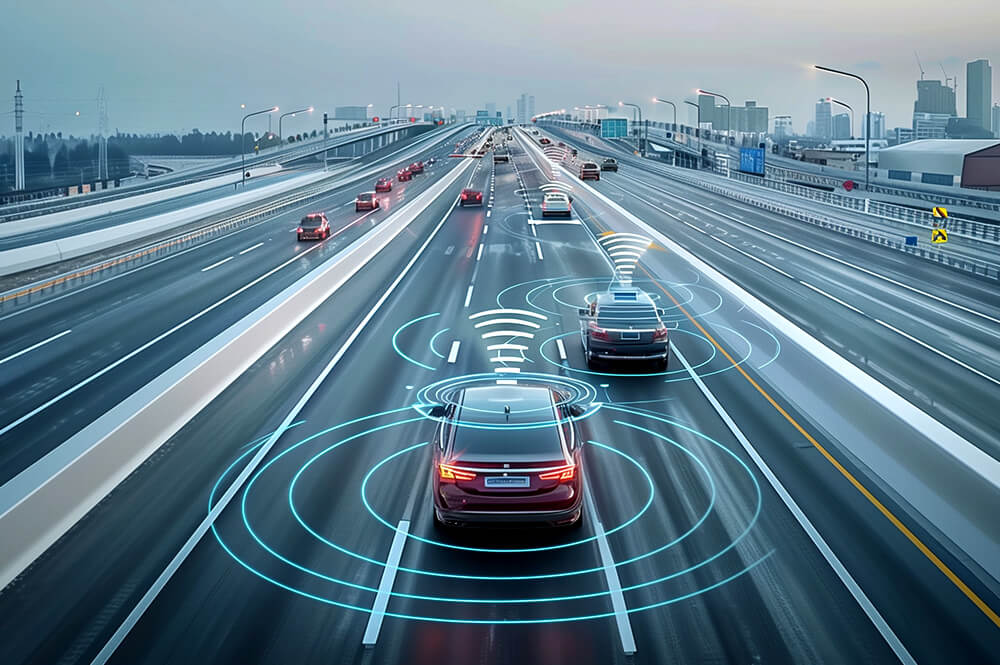
SDVs can receive software upgrades remotely, continuously improving performance, adding new features, and fixing issues without needing a visit to the dealership.
Advanced Driver Assistance Systems (ADAS)
Includes safety technologies like adaptive cruise control, lane-keeping assistance, automated emergency braking, and collision warnings, helping drivers stay safer on the road.
Connected Services
Cloud-based features provide real-time navigation, remote diagnostics, infotainment streaming, and seamless smartphone integration, keeping drivers connected wherever they go.
Customizable Driving Experience
Drivers can personalize performance and comfort settings, from steering and throttle response to seat positions and cabin ambiance, all through software controls.
Together, these features make SDVs more flexible, intelligent, and capable than traditional vehicles, offering a modern driving experience that evolves over time.
Benefits of Software Defined Vehicles
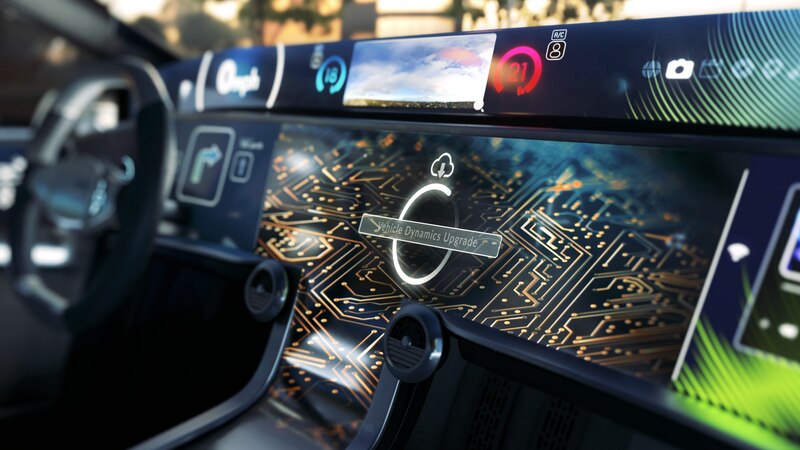
Software Defined Vehicles (SDVs) offer a range of benefits that transform how we drive, maintain, and interact with our cars.
- Continuous Connectivity: SDVs stay connected to the cloud and other devices, enabling real-time data exchange, remote monitoring, and access to new services anytime.
- Enhanced Performance and Efficiency: Software optimizes vehicle systems for better fuel economy, smoother handling, and overall improved performance.
- Faster Innovation and Development: New features can be developed, tested, and rolled out quickly through software updates, keeping vehicles up-to-date with the latest technology.
- Improved Safety: Advanced driver assistance systems (ADAS) and real-time sensor data help prevent accidents and support safer driving.
- New Revenue Opportunities: Automakers can offer subscription-based services, premium features, or personalized upgrades, creating additional revenue streams.
- Predictive Maintenance: SDVs can monitor system health and alert owners before issues become serious, reducing downtime and repair costs.
- Personalized User Experience: Drivers can tailor settings for comfort, performance, and convenience, making each ride uniquely suited to their preferences.
- Remote Feature Updates: Over-the-air (OTA) updates allow new functions, enhancements, and fixes to be delivered without visiting a dealership, keeping vehicles modern and efficient.
These benefits combine to make SDVs more intelligent, adaptable, and user-focused than traditional vehicles, shaping the future of driving.
Challenges & Considerations of Software-Defined Vehicles
While Software Defined Vehicles (SDVs) offer exciting benefits, they also come with significant challenges that automakers and drivers must consider.
One of the biggest hurdles is the shift from traditional mechanical systems to complex digital architectures, 79% of executives cite the separation of hardware and software layers as a major challenge.
Other key considerations include:
- Consumer Pushback on Monetization: Subscription-based access to features like heated seats or adaptive cruise control can frustrate customers and impact brand perception.
- Cybersecurity Risks: Increased connectivity exposes vehicles to potential attacks targeting controls, data, or cloud services.
- Data Privacy and Ownership: Constant data collection raises ethical and regulatory questions about storage, use, and sharing.
- High Development and Maintenance Costs: Building and maintaining SDV platforms, especially for safety-critical functions and over-the-air updates, is expensive and complex.
- Software Complexity: Millions of lines of code across multiple systems increase integration challenges and the risk of bugs.
- Talent Shortages: Automakers need software engineers, AI specialists, and cybersecurity experts, but many are still adapting their workforce.
- Regulatory and Legal Hurdles: Updating vehicle behavior via software introduces questions around accident liability, data ownership, and safety compliance.
- AI and Automation Reliability: Predictability, explainability, and handling system overrides remain concerns for AI-driven functions.
- System Compatibility: Lack of standardization across platforms and regions can hinder scalability and support.
- Update Management Risks: Poorly managed over-the-air updates could cause system failures or user frustration.
These challenges highlight the need for careful design, robust governance, and ongoing innovation as the SDV market continues to evolve.
The Role of AI and Machine Learning in SDVs
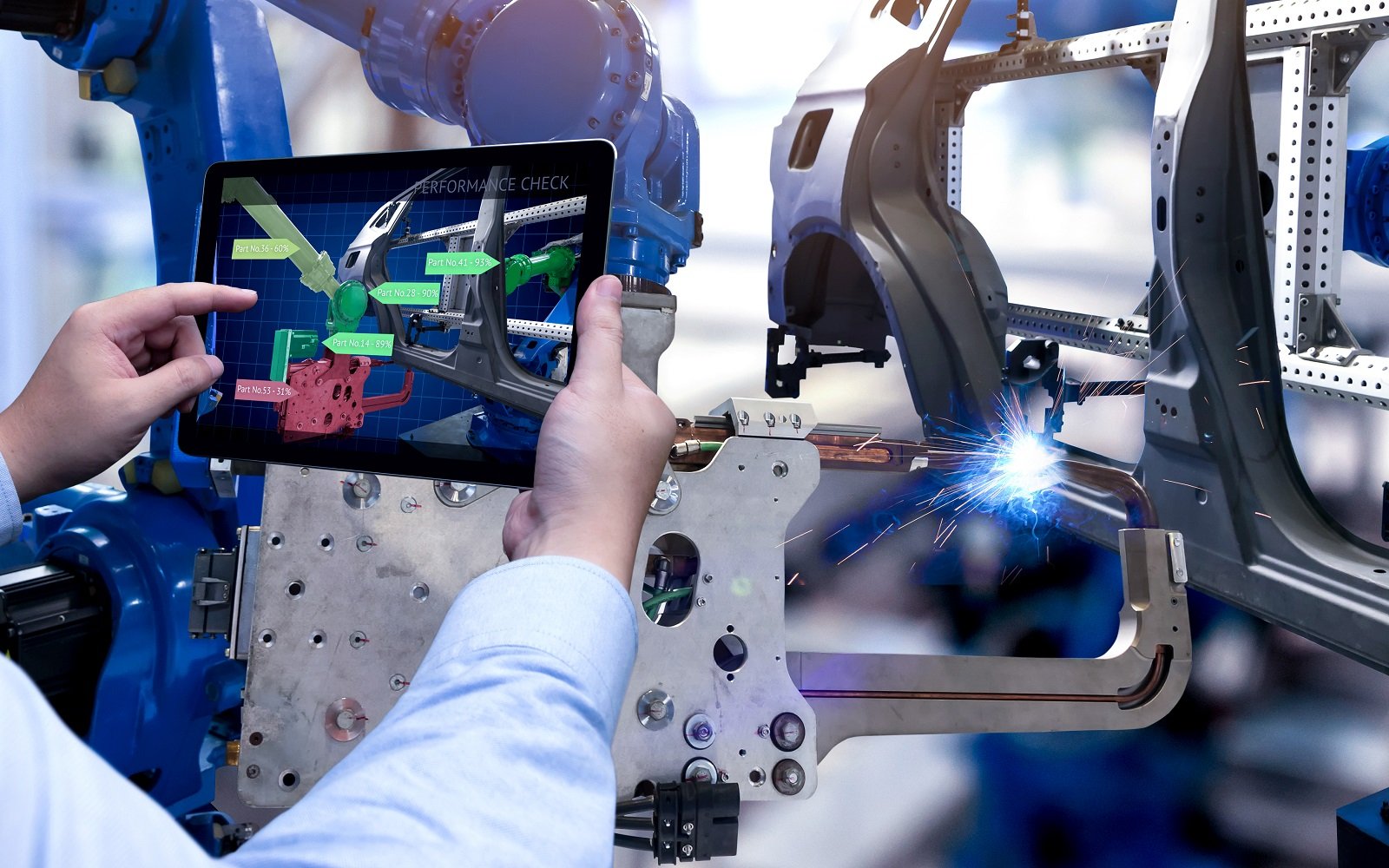
Artificial intelligence (AI) and machine learning are at the heart of Software Defined Vehicles (SDVs), making them smarter, safer, and more personalized. AI powers advanced driver assistance systems (ADAS), helping vehicles anticipate hazards and react faster than a human driver.
Using image recognition and computer vision, SDVs can detect pedestrians, cyclists, and other vehicles, while machine learning allows the car to adapt to traffic and environmental conditions.
AI in software-defined vehicles also enhances the in-car experience for drivers and passengers. Intelligent voice assistants let you control features by voice, recommendation systems suggest the best routes, and interior settings like lighting, temperature, and music can adjust to your mood.
Additionally, AI can monitor the vehicle for potential issues, enabling predictive maintenance to reduce breakdowns and extend the car’s life. While these innovations are powerful, they also raise challenges, especially around protecting the large amounts of personal data SDVs collect from cyber threats.
Future Trends for Software Defined Vehicles
Over the next 5–10 years, Software Defined Vehicles (SDVs) will continue evolving into fully connected, intelligent platforms, more like smartphones on wheels than traditional cars.
Software will shape the driving experience, enabling over-the-air updates, advanced personalization, and continuous improvements throughout a vehicle’s life.
Key trends include:
- Full Autonomy: Self-driving technology will become more advanced, allowing vehicles to handle complex traffic situations with minimal human input.
- Integration with Smart Cities: SDVs will connect with traffic systems, energy grids, and urban infrastructure to improve efficiency, safety, and sustainability.
- Edge Computing: Vehicles will process data locally to support faster decision-making and real-time applications like ADAS and navigation.
- Advanced Personalization: Cars will adapt to driver preferences for comfort, performance, and entertainment, creating a truly tailored experience.
- Regulations and Sustainability: Government policies will guide safe, secure, and environmentally responsible SDV adoption, influencing design, data use, and energy efficiency.
These trends indicate a future where SDVs not only transform how we drive but also how we live, move, and interact with urban environments.
Stay Updated on SDV Innovations and What’s Coming In 2025

The rise of Software Defined Vehicles is reshaping the automotive landscape, offering smarter, safer, and more connected driving experiences. Staying informed about SDV technology helps you make confident decisions when choosing your next vehicle.
At CarHub Caledon Chrysler, we make exploring and buying your next car easy and personalized. With over 1,000 cars and trucks from every brand, we ensure you get the best value and peace of mind. Contact us today and experience a modern car-buying journey built around you.