
What Causes Sluggish Acceleration in a Car and How to Prevent It?
Posted on September 26, 2025
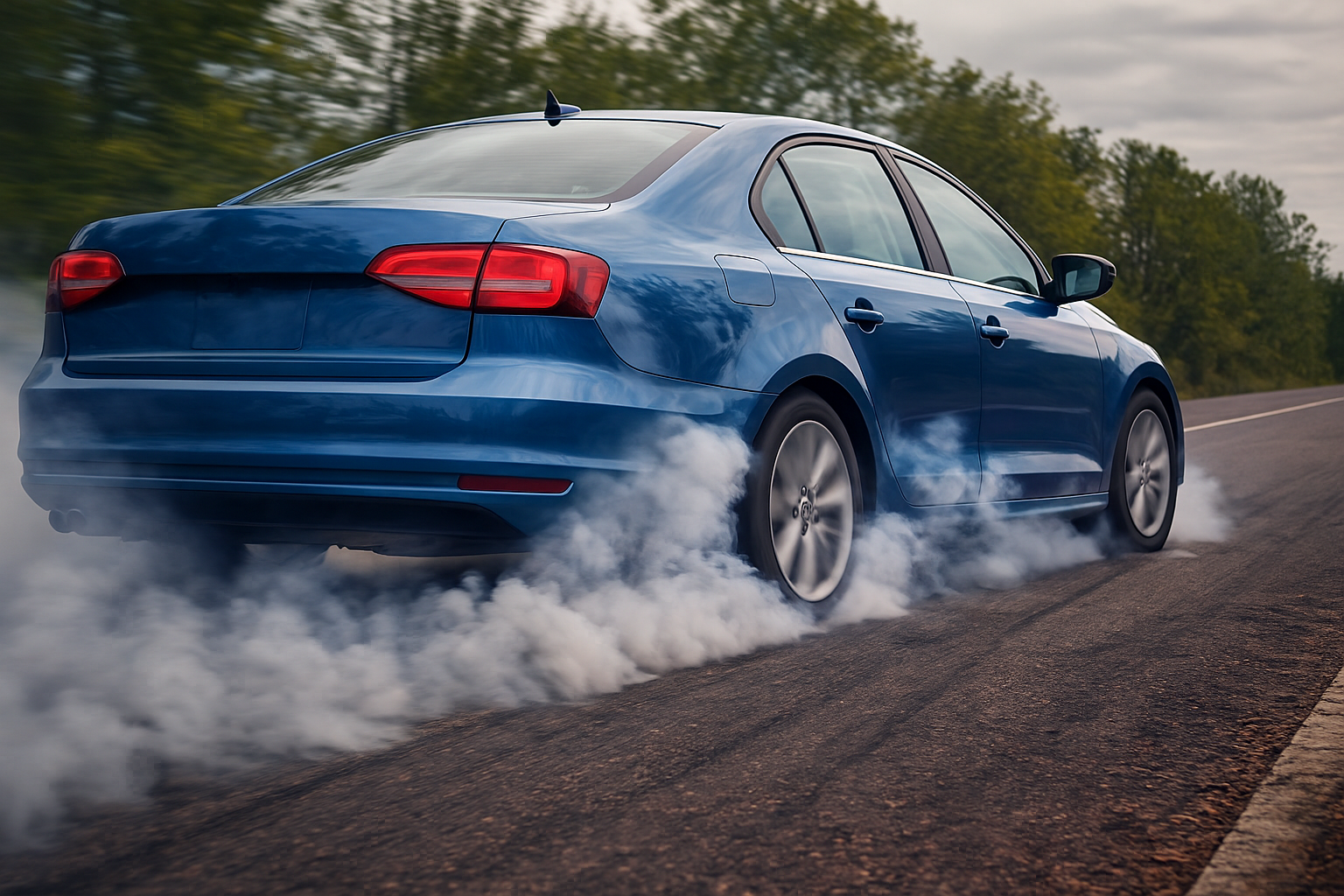
Does your car feel sluggish when you hit the gas? That frustrating delay when you press the pedal isn't just annoying; it could be your vehicle's cry for help. Sluggish acceleration robs your drive of power and might signal anything from dirty fuel injectors to failing sensors or even transmission trouble.
At CarHub Caledon Chrysler, we diagnose these issues daily. The good news? Most causes, like clogged air filters or worn spark plugs, are easy to fix if caught early. In this guide, we'll cover:
- Warning signs you should never ignore
- Top 9 reasons your car feels sluggish when accelerating
- Pro maintenance tips to restore your car's pep
Don't settle for a lazy accelerator. Let's find out what's stealing your car's power and how to get it back.
Why is My Car Lagging When I Step on the Gas?

If your car feels slow to respond when you press the gas pedal, you’re likely experiencing what’s called acceleration lag. It’s that annoying delay between when you hit the gas and when your car actually picks up speed.
This lag can make driving feel sluggish and unresponsive, especially when merging onto highways or trying to pass another vehicle.
There are several possible reasons for this lag. It could be an issue with how fuel is being delivered to the engine, a problem with airflow, or even a delay in how your car’s sensors are communicating with the engine. It’s a good idea to have a qualified mechanic take a look to pinpoint the exact cause.
If everything checks out and your car is running normally, you might want to consider a Throttle Response Controller. It’s an affordable upgrade that can make your car feel quicker and more responsive when you hit the gas pedal.
What Does Poor Acceleration Mean?
Poor acceleration means your car isn’t getting the power it needs to speed up smoothly, even when you press the gas pedal. This usually points to a problem with how your engine is running.
When something is off (like not enough fuel, air, or spark), it affects your car’s ability to respond properly and can make driving feel slow or jerky.
There are a few parts that might be to blame. A faulty oxygen sensor, a dirty airflow meter, or a malfunctioning throttle position sensor can all affect how your engine performs. In some cases, a bad engine speed sensor could also be an issue.
If any of these parts fail, your check engine light may come on as a warning. It's best to get your vehicle inspected early to prevent further damage and keep your car running smoothly.
Key Symptoms of Sluggish Acceleration You Shouldn’t Ignore
When your car’s acceleration feels sluggish, there are a few key sluggish acceleration symptoms you shouldn’t ignore. Recognizing these signs early can help you catch problems before they get worse.
1.Lag or Hesitation
This happens when your car doesn’t respond right away after you press the gas pedal. It might feel like a delay or a pause, which often points to issues with fuel delivery or the throttle system.
2.Reduced Power
If your car struggles to pick up speed, especially when merging onto highways or going uphill, it’s a sign that the engine isn’t getting enough power. This could be caused by problems with the fuel system or airflow.
3.Engine Sputtering
Sometimes, the engine may sputter or jerk as you try to accelerate. This inconsistency often means the engine isn’t running smoothly, which could be due to faulty sensors or ignition problems.
If you notice any of these symptoms, it’s a good idea to have your car checked out to avoid bigger issues down the road.
Is It Safe to Drive a Car with Sluggish Acceleration?

Driving a car with sluggish acceleration is generally not safe or advisable. While the issue might seem like a minor annoyance at first, it can be a sign of more serious mechanical problems, such as timing belt or chain issues, or problems with the variable valve timing system.
Ignoring these warning signs could lead to major engine damage or even sudden loss of power while on the road, which poses a real safety risk.
Because of these potential dangers, it’s best to avoid driving your vehicle until a qualified mechanic can properly diagnose and fix the problem. Taking care of sluggish acceleration early helps protect your car and keeps you safe behind the wheel.
Why Does My Car Feel Sluggish When Accelerating?
When your car feels sluggish during acceleration, it’s usually because one or more parts aren’t working properly. Understanding the common causes can help you figure out what might be slowing your vehicle down.
1.Clogged Air Filters
Air filters play a crucial role in letting clean air into your engine. When these filters get clogged with dirt and debris, they restrict airflow, making it harder for the engine to “breathe.” This reduced airflow can cause your car to lose power and feel slow when accelerating.
2.Fuel Delivery Issues
Your engine needs a steady supply of fuel to perform well. Problems like a dirty fuel filter, a failing fuel pump, or clogged fuel injectors can interrupt fuel delivery. Without enough fuel reaching the engine, acceleration becomes weak, and the car may hesitate or stall.
3.Bad Mass Airflow Sensor
The mass airflow (MAF) sensor measures how much air is entering the engine, helping adjust fuel delivery for optimal performance. If the MAF sensor is dirty or malfunctioning, it can send incorrect data, causing the engine to run inefficiently. This can lead to sluggish acceleration and poor fuel economy.
4.Damaged Spark Plugs
Spark plugs ignite the fuel-air mixture inside the engine cylinders. Worn or damaged spark plugs can cause misfires or incomplete combustion, reducing engine power. When this happens, you’ll likely notice your car struggling to accelerate smoothly.
5.Inoperative Catalytic Converter
A clogged or damaged catalytic converter can restrict exhaust flow, causing your engine to struggle and lose power. When the converter isn’t working properly, it can lead to poor acceleration and reduced fuel efficiency.
6.Timing Belt Issues
The timing belt keeps your engine’s valves and pistons moving in sync. If the belt is worn or damaged, it can cause the engine to run poorly, resulting in sluggish acceleration or even engine misfires. Timing belt problems should be addressed immediately to avoid serious engine damage.
7.Oxygen Sensor Problem
The oxygen sensor monitors the amount of oxygen in your exhaust and helps adjust the fuel mixture for optimal performance. A faulty sensor can send incorrect signals, leading to inefficient fuel burning and a noticeable drop in acceleration.
8.Electronic Error
Modern cars rely on many electronic systems to control engine performance. Sometimes, electronic glitches or sensor malfunctions can cause delays or reduced power when you press the gas pedal.
9.Accelerator Signal Delay
In some cases, the delay in acceleration can be caused by a lag in the electronic signal between the accelerator pedal and the engine’s throttle. This “accelerator signal delay” can make your car feel slow to respond, even if the engine itself is working fine.
How to Prevent Sluggish Acceleration
Preventing sluggish acceleration starts with taking good care of your car and addressing issues before they become serious problems. Here are some key steps to keep your vehicle running smoothly and responsive.
1.Regular Car Maintenance
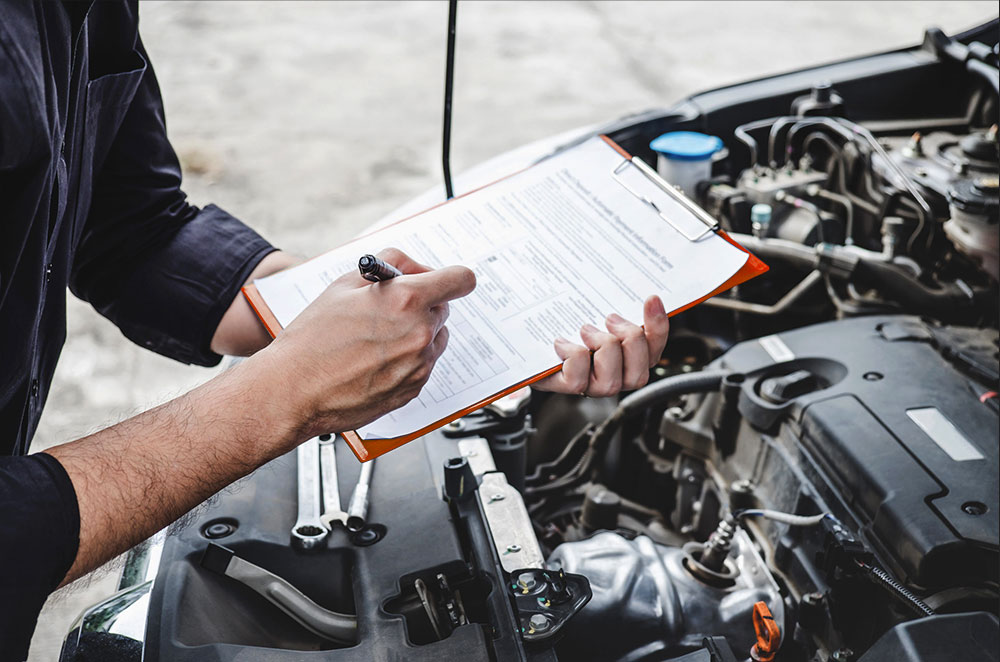
Keeping up with regular maintenance like oil changes, spark plug replacements, and tune-ups ensures your engine stays in good condition. Routine check-ups help catch small problems early, preventing them from affecting your car’s acceleration.
2.Clean the Air Filters
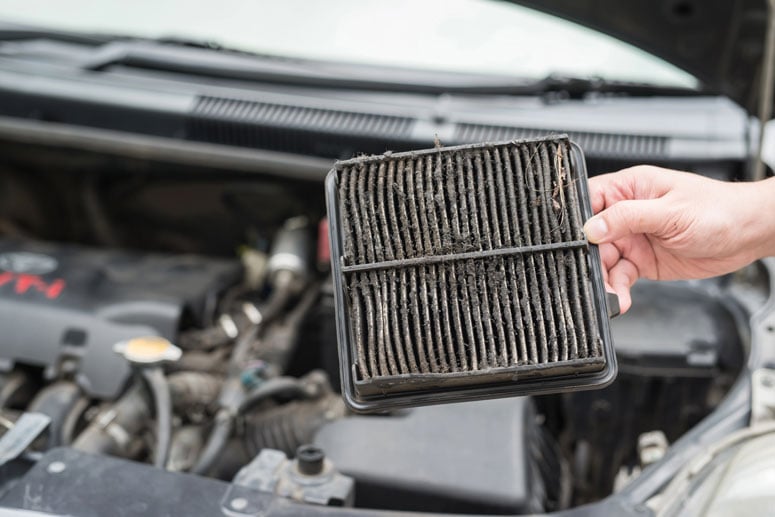
Dirty or clogged air filters restrict airflow to the engine, making it harder for your car to accelerate properly. Regularly cleaning or replacing your air filters allows your engine to breathe better, improving performance and fuel efficiency.
3.Use Higher Quality Fuel
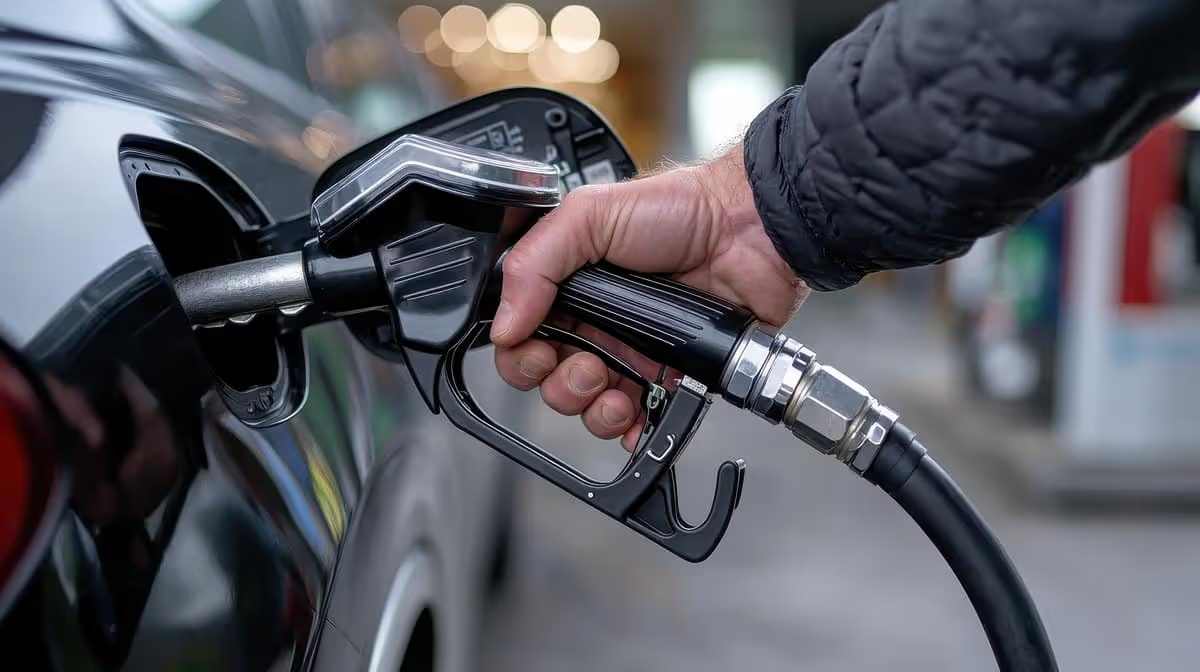
Using higher-quality or recommended fuel can make a noticeable difference in how your car accelerates. Better fuel burns more efficiently, which helps your engine deliver the power you need without hesitation.
4.Replace Inoperative Components
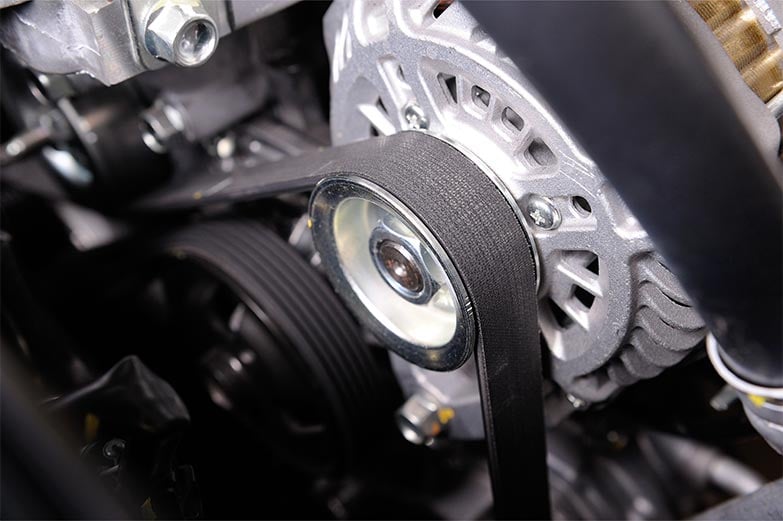
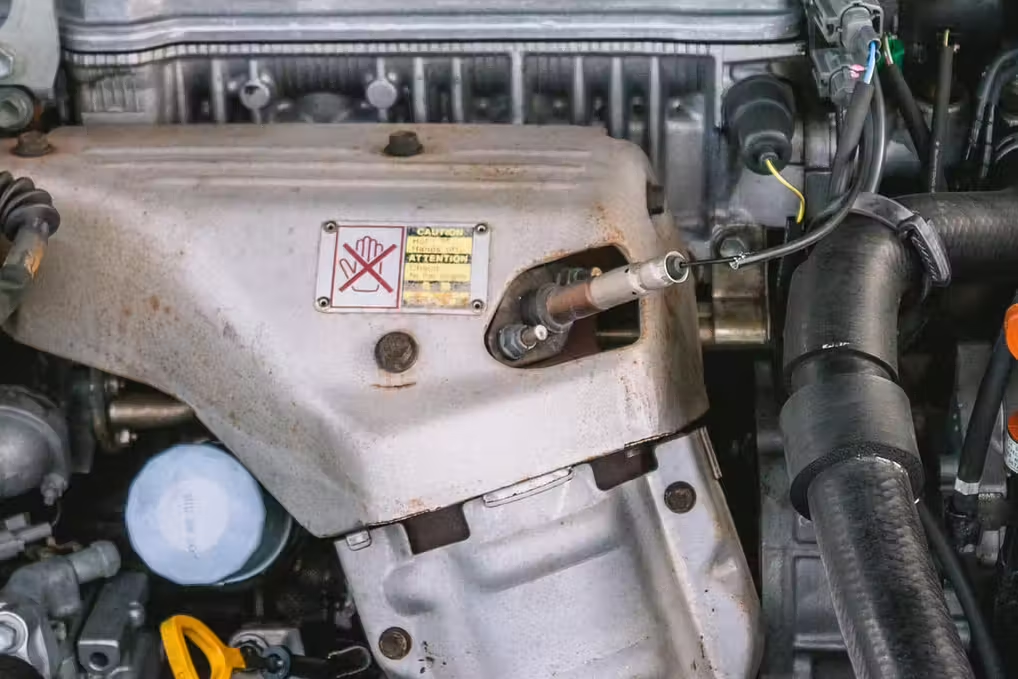
If parts like oxygen sensors, catalytic converters, or the timing belt are failing, replacing them promptly is essential. Worn or faulty components can seriously impact acceleration and overall engine performance, so don’t delay repairs when you notice a problem.
How to Describe Your Car’s Acceleration Problem Clearly
When your car isn’t accelerating properly, how you describe the problem can make a big difference in getting an accurate diagnosis and a quick fix. Being clear and specific about what you’re experiencing helps mechanics understand exactly what’s going on under the hood.
Here are some common ways to describe acceleration issues that can help you explain the problem like a pro:
- Car jerks when accelerating: This means you feel sudden, uneven jolts when you press the gas pedal. It often points to problems with fuel delivery, ignition, or even transmission trouble.
- Car jerks when accelerating at low speeds: If the jerking happens mainly at low speeds, it could be related to the transmission, such as a slipping clutch or torque converter issues.
- Car shakes when accelerating but not when coasting: This shows the problem happens only during acceleration and might involve engine mounts, misfiring cylinders, or drivetrain problems.
- Car stutters or hesitates when accelerating: This hesitation or stuttering can indicate fuel system problems like a clogged filter or faulty injectors, ignition issues like worn spark plugs, or air intake troubles.
- Car won’t accelerate: This serious issue means the vehicle barely responds or doesn’t speed up at all, possibly due to severe engine, transmission, or electronic control faults.
- Car makes noise when accelerating: Unusual sounds during acceleration can help pinpoint problems with the engine, transmission, exhaust, belts, or other mechanical parts.
- Delayed throttle response: If there’s a noticeable lag between pressing the accelerator and the car speeding up, it suggests trouble with how the throttle is responding to your input.
Using these clear descriptions when you talk to a mechanic can speed up the troubleshooting process and help get your car back to normal faster.
How Do You Fix a Car That Does Not Accelerate?
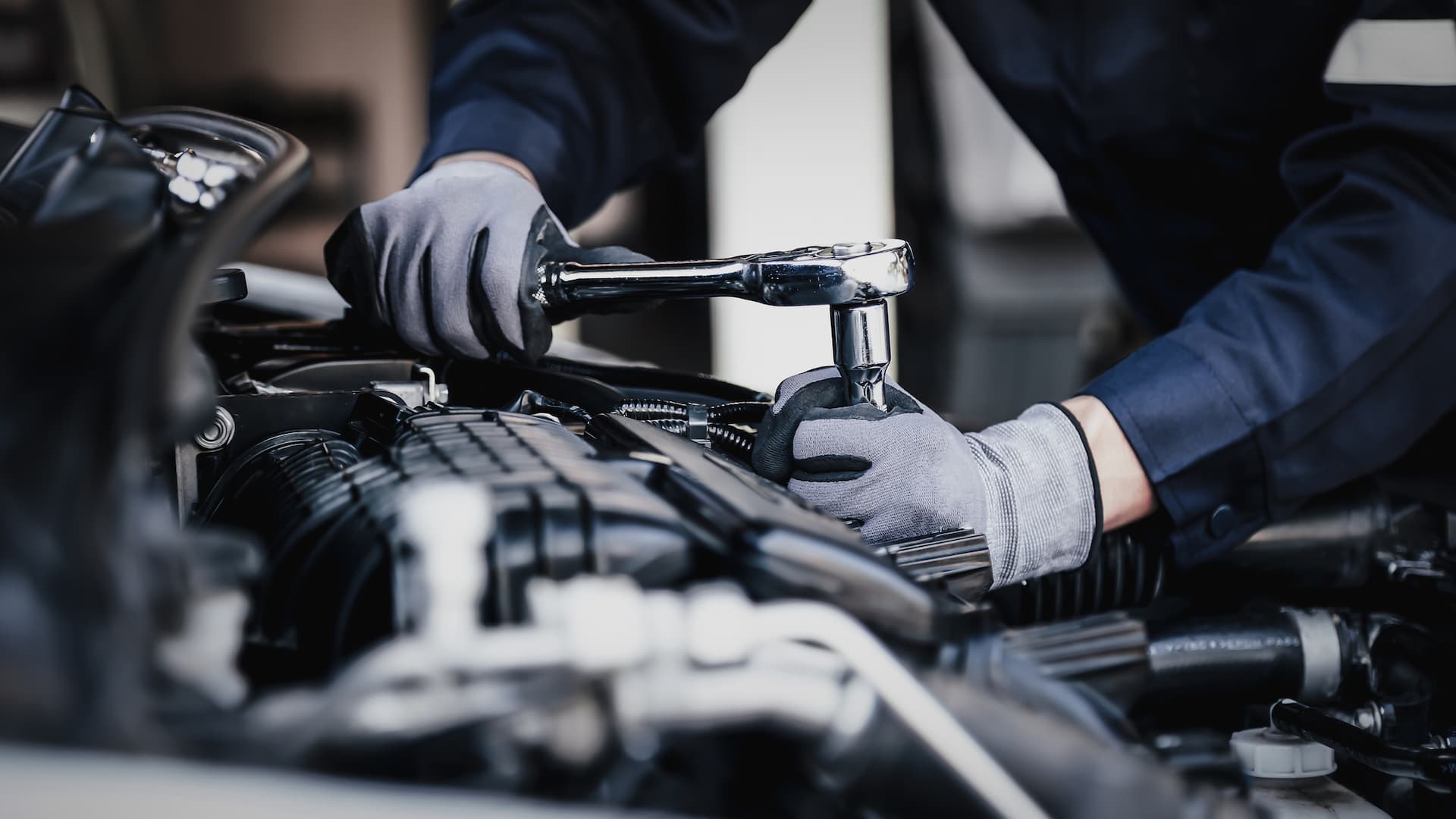
If your car isn’t accelerating properly, there are a few key areas to check and fix. Here are the steps to help you get started:
- Check the Fuel System: Make sure your fuel filter isn’t clogged, and the fuel pump is working properly. Problems here can stop enough fuel from reaching the engine.
- Inspect the Ignition System: Faulty spark plugs, or ignition coils can cause weak sparks, leading to poor acceleration. Replace any worn or damaged parts.
- Replace or Clean the Air Filter: A dirty air filter restricts airflow to the engine, making it harder for your car to accelerate. Clean or replace the filter regularly.
- Examine Other Components: If these steps don’t fix the problem, have a mechanic check sensors like the oxygen sensor or the throttle position sensor, as they also affect acceleration.
Following these steps can help restore your car’s performance and get it moving smoothly again.
Restore Your Car’s Power, Drive with Confidence Again!
Sluggish acceleration isn’t just frustrating; it’s your car telling you something’s wrong. Whether it’s a dirty fuel system, failing sensor, or worn spark plugs, ignoring the issue can lead to poor performance, wasted fuel, and costly repairs down the road.
At CarHub Caledon Chrysler, our certified technicians specialize in pinpointing and fixing the root cause of acceleration problems. With our:
- Advanced diagnostic tools
- OEM-quality parts
- Transparent, hassle-free service
...we’ll get your car responding like new again.
Don’t settle for a sluggish ride! Book an acceleration check-up today or call (855) 855-7016.
Caledon drivers trust us to keep their vehicles running strong. Let us prove why.