
Why Is There Oil in My Air Filter Housing and Air Intake?
Posted on August 11, 2025
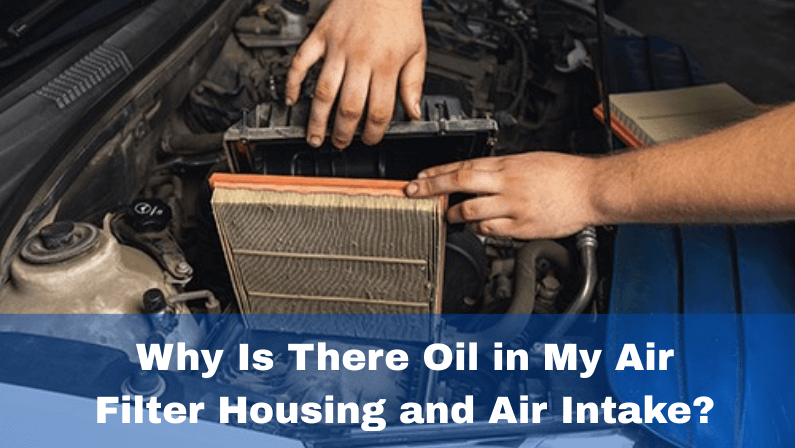
Spotting oil in your air filter housing can be confusing. After all, that’s not where the oil belongs! If you’ve noticed a greasy mess where your air filter sits, it’s a red flag that something’s off in your engine’s breathing system. Left unchecked, this issue can hurt performance, fuel efficiency, and even lead to costly engine damage.
At CarHub Caledon Chrysler, we’ve seen this problem plenty of times, and the good news is, it’s often fixable with the right diagnosis. Don’t ignore the warning signs! Let’s dive into the common causes of oil in air intake systems, and how to keep your engine running smoothly.
Understand How the Air Filter Works
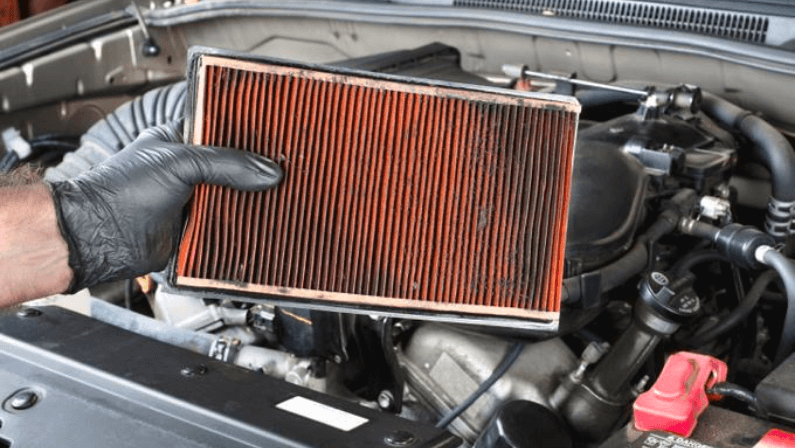
Your engine needs clean air to run efficiently, and that’s where the air filter comes in. It acts as the first line of defense by trapping dust, dirt, and other debris before they can enter the engine and cause damage.
By keeping harmful particles out, the air filter ensures the engine gets the right amount of clean air for proper combustion.
Over time, contaminants build up in the filter, which is why regular maintenance is key. During routine checks, cleaning or replacing the air filter helps keep your engine running smoothly and prevents performance issues.
A clogged or dirty filter can lead to reduced airflow, causing the engine to work harder, and that’s when problems like oil in the air intake can start to show up.
What Is the Source of Oil in the Air Filter?
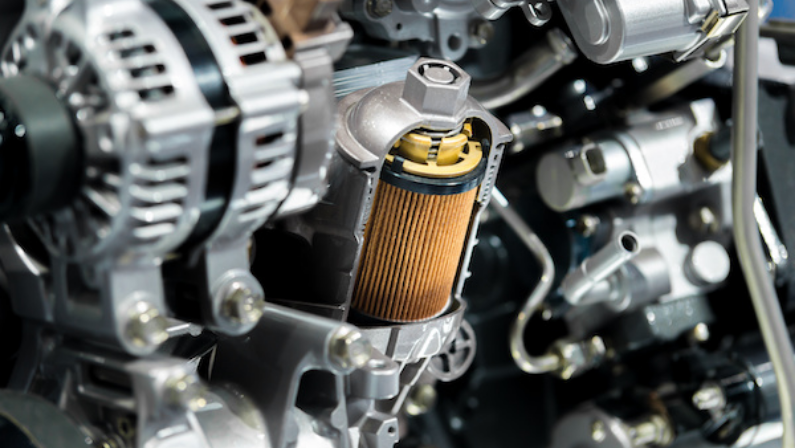
Before diving into the problem, it's helpful to understand where the oil might be coming from. While engine oil plays a key role in keeping moving parts lubricated and helping to prevent overheating, it’s not supposed to end up in the air filter.
When you find oil in your air filter housing, it’s often a sign that something else in the system isn’t working quite right.
One common source is the positive crankcase ventilation (PCV) system. This system helps release built-up pressure and reroutes engine gases back into the intake. However, if the PCV valve is clogged or faulty, it can push oil into the intake and air filt
er.
Worn piston rings or excessive blow-by pressure in the engine can also force oil into places it shouldn’t be. Spotting oil in the filter means it’s time for a proper check-up to prevent further issues.
Signs That You Need to Change Your Car Air Filter
Knowing when to change your car’s air filter can save you from engine trouble down the road. Here are some key signs to watch for:
Air filter looks dirty
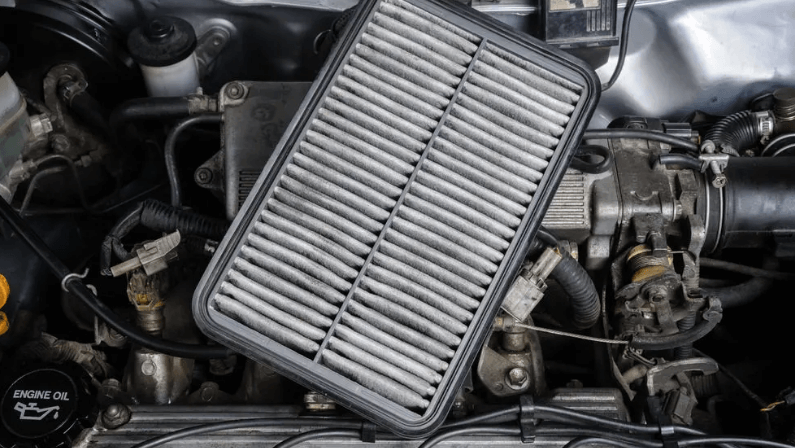
A new air filter is usually white or off-white. If you inspect your air filter and see it covered in dirt, dust, or oil, it’s time for a replacement to keep your engine breathing clean air.
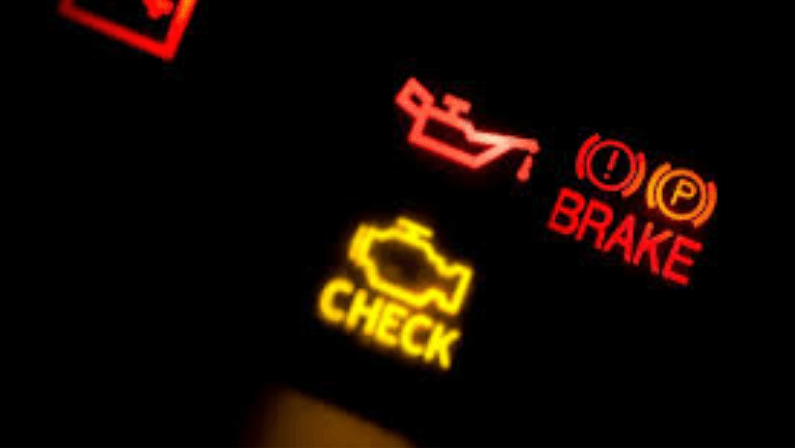
Check engine light turns on
A clogged or dirty air filter can cause your engine to run inefficiently, triggering the check engine light. If this happens, checking your air filter is a good first step.
Loss of power
When the engine doesn’t get enough clean air, it can struggle to perform, causing a noticeable drop in power and acceleration.
Other warning signs include black, sooty smoke coming from the exhaust, or a strong smell of gas when you start the engine. Both can indicate poor combustion caused by restricted airflow. Paying attention to these signs will help you keep your air filter (and your engine) in good shape.
Common Causes of Getting Oil in The Air Filter
Finding oil in your air filter can be frustrating, but understanding the common causes can help you address the problem effectively. Here are some frequent reasons why oil ends up where it shouldn’t:
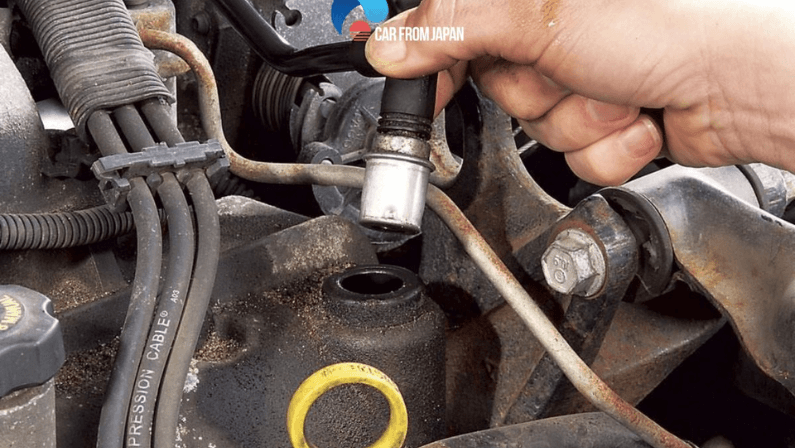
1. Blocked PCV (Positive Crankcase Ventilation) System
The PCV system helps release pressure and gases from the engine crankcase. If it becomes blocked or faulty, oil vapors can be forced back into the air intake and air filter, causing oil buildup.
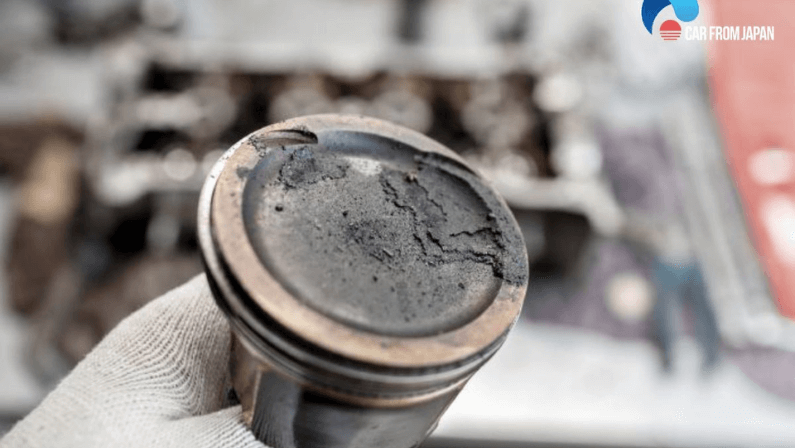
2. Worn Piston Rings
Piston rings seal the combustion chamber, keeping oil and gases separate. When they wear out, oil can leak into the combustion chamber and air intake, leading to oil contamination in the air filter.
3. Clogged Oil Passages
If oil passages in the engine get clogged, oil flow can be disrupted, causing excess pressure and oil to find its way into the air intake system.
4. Engine Blow-By
Blow-by occurs when combustion gases leak past the piston rings into the crankcase. Excessive blow-by can push oil and vapors into the air intake through the PCV system.
5. Aftermarket Air Filter
Some aftermarket or high-performance air filters may not seal properly, allowing oil to leak or be drawn into places it shouldn’t, including the air filter housing.
6. Sludge Build-Up
Old, dirty engine oil can turn into sludge, blocking important engine pathways and causing oil to back up into the air intake system.
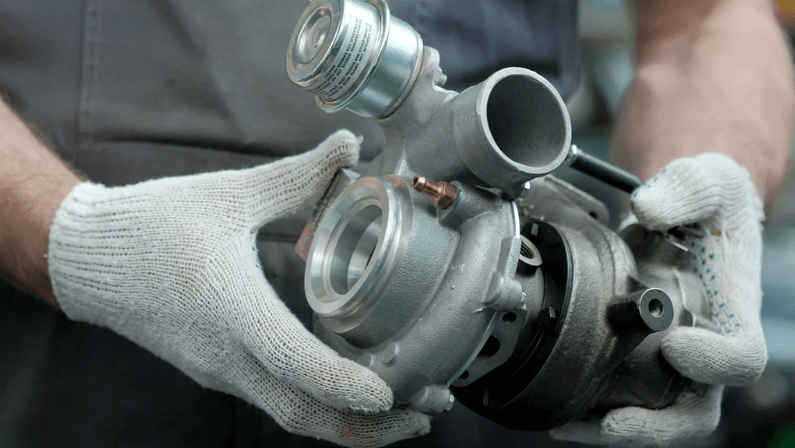
7. Turbocharger/Supercharger Issues
If your vehicle has a turbocharger or supercharger, worn seals or other issues can cause oil to leak into the intake system, which can show up as oil in the air filter housing.
Identifying the cause early helps prevent engine damage and keeps your vehicle running smoothly. Regular maintenance and inspections are key to avoiding these issues.
What Should I Do If I Notice Oil in My Air Intake?
If you spot oil in your air intake or air filter, you must not ignore it. One common cause of this oil buildup is a condition called "blow-by," where pressure from oil, air, and fuel leaks past the piston rings inside the engine. A small amount of blow-by is normal, but when it becomes excessive, it can cause problems.
Excessive blow-by means some combustion gases and oil are escaping into the air intake and crankcase, which can lower your engine’s power and fuel efficiency. It might also lead to engine knocking or other damage if left unchecked.
When you notice oil in your air intake, it’s a good idea to have a mechanic check your engine to find the cause and fix it before it turns into a bigger issue. Regular maintenance and early attention can keep your engine running smoothly.
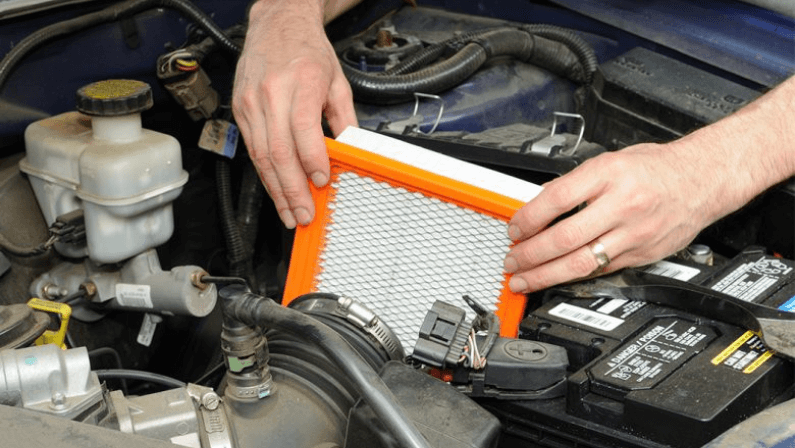
What is the Significance of the Presence of Oil in the Air Filter?
Seeing oil in your air filter is a warning sign that something may go wrong inside your engine. It often means there’s too much carbon buildup or engine sludge forming in the crankcase.
This buildup can cause the PCV (Positive Crankcase Ventilation) valve to fail, letting oil and gases flow into the air intake system.
Other possible causes include worn piston rings, which allow gases and oil to escape the combustion chamber, or a clogged oil passage that disrupts oil flow. A damaged or dirty air filter can also make the issue worse.
While this might sound serious, catching it early means you can take action. With the right tools and proper care, you can clean or replace parts, fix the root cause, and get your engine back to running smoothly.
How Do I Remove Oil from My Air Filter?
If you find oil in your car’s air filter, it’s important to clean it properly to prevent further engine problems. Here’s a simple step-by-step guide to help you remove the oil and restore your air filter:
- Remove the air filter carefully: Gently take the air filter out of its housing to avoid spreading oil or dirt into the intake.
- Clean the air boot: Use a contact cleaner or degreaser to spray and wipe down the air boot, removing any built-up dirt or oil residue.
- Soak the air filter: Submerge the filter in an appropriate cleaner or degreasing solution to loosen and remove contaminants.
- Squeeze out moisture: After soaking, take the filter out and gently squeeze out any excess oil and cleaner. Avoid wringing or twisting to prevent damage.
- Rinse and wash: Rinse the filter with clean water or a suitable vehicle solvent, then allow it to air dry completely.
- Inspect the air filter: Check for holes, tears, or worn spots. If damaged, it’s best to replace the filter.
- Re-oil and reassemble: Once dry, lightly apply air filter oil if it's a reusable type. Clean the filter cage and reinstall the air filter back into the housing.
Following these steps ensures your filter is clean and functional, helping your engine run more efficiently.
Noticed Oil in Your Air Filter? Let’s Get It Sorted
Finding oil in your air filter housing or air intake might seem like a small issue, but it can point to larger problems under the hood. Whether it’s a clogged PCV valve, worn piston rings, or excessive engine blow-by, the key is to catch it early and take action before it leads to more serious damage.
At CarHub Caledon Chrysler, our expert technicians are here to help with reliable maintenance services and diagnostics you can trust. If you've spotted oil where it shouldn't be, book a service with us and keep your engine running at its best—smooth, clean, and worry-free.